
Update: July 18, 2020.
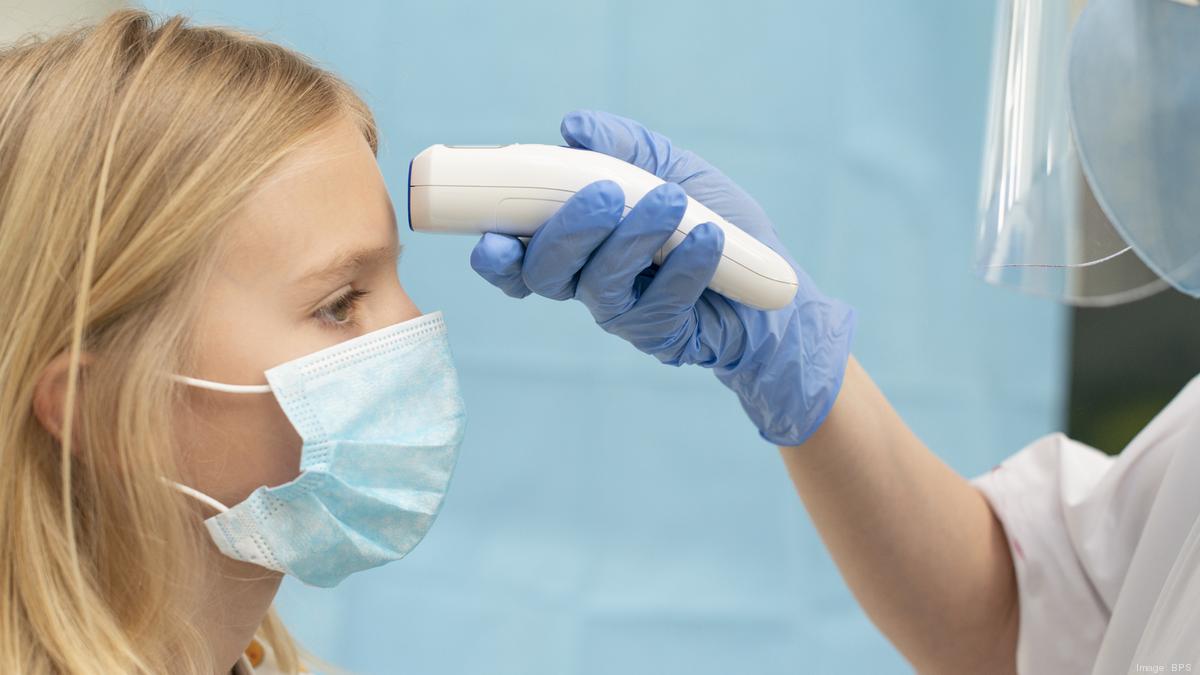
After numerous consultations with our strategic partner law firms, we are advising that if you absolutely must perform temperature checks they should be done by trained medical personnel, with sufficient and applicable Professional Liability insurance. While the CDC may say it is “OK”, the attorneys tell us that the risk of a misreading leading to litigation is not worth it. Please recall that the CDC is now under investigation for several incidents of falsifying information and improper handling of data. Should you decide to continue against this advice, the rest of this article may give you some guidelines. However, we strongly suggest you consult your attorneys before proceeding. If you do not have an attorney for this purpose, and would like a referral, please contact us using the form at the bottom of this page.
What Employers Should Know
 The onset of the Novel Corona Virus has impacted workplaces across the globe.
Now that business owners are slowly being allowed to resume operations, employers are concerned about the complex and emerging workplace policies in store. Employee health screenings through temperature checks is one of the most controversial.
As an employer, here are some things should know about employee health screenings and how temperature checks could impact your workplace:
Understanding the Purpose Behind Temperature Checks
On March 18, 2020, the EEOC updated the Pandemic Preparedness in the Workplace and the Americans with Disabilities Act in response to Novel Corona Virus.
Unless you are instructed by state-wide order, temperature checks are not required. However, they are allowed according to the EEOC’s update. Please consider hiring (and insuring) a health care professional to perform the temperature checks.
If you decide to carry out temperature checks, keep in mind they do not guarantee the safety of your team or stop the spread of any viruses. Some individuals may be infected with a virus, may not show symptoms, yet still be capable of transmitting the virus. (This has not been confirmed, but it has not been unconfirmed either.)
How to Safely Implement Temperature Checks in Your Workplace
Before adding temperature checks to your workplace health screening, take some time to consider these guidelines and procedures:
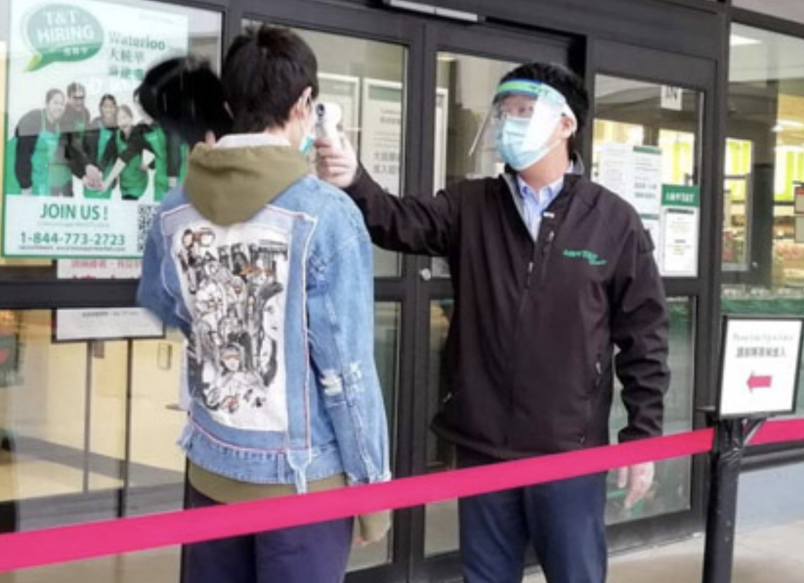
Temperature checks should be executed privately, and results must be kept private as well. That means lining up and checking your employee’s temperature one by one is not best practice. The ADA states that results can only be shared with supervisors, safety personnel, government officials, and state worker’s compensation files when necessary.
Trained Temperature Administration
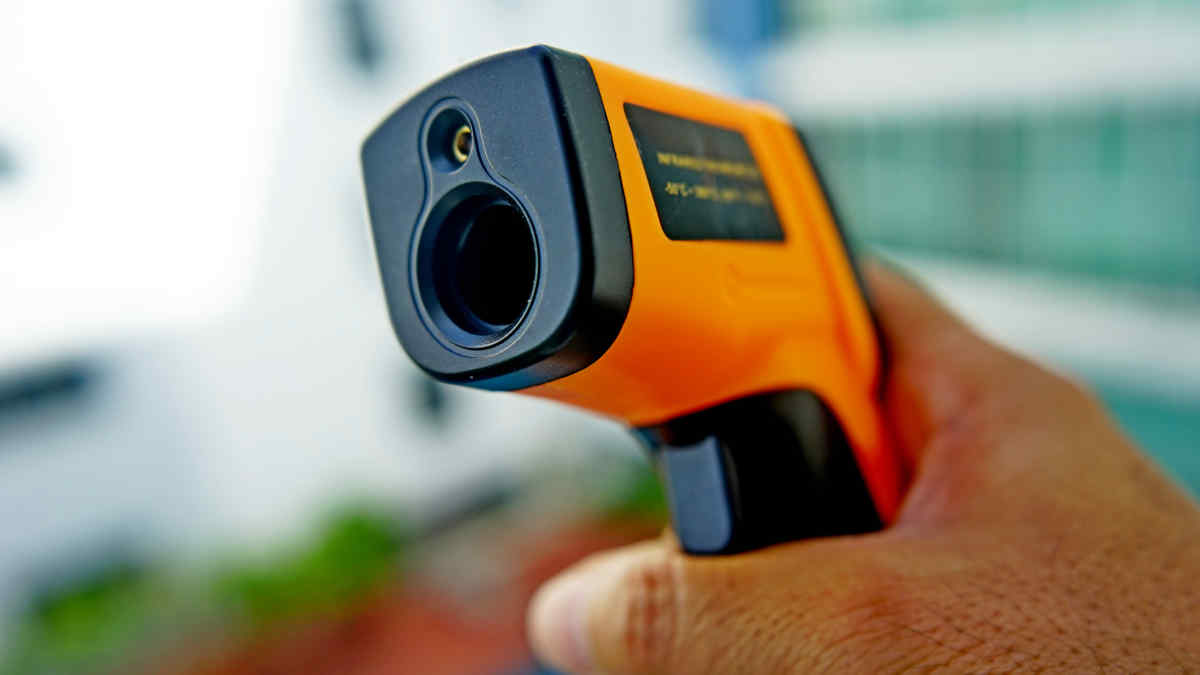
A small business owner may not have easy access to a medical professional. Many businesses will choose to rely on training non-medical professionals to perform screenings. Many states recommend screening employees before they enter the workplace. However, get the best information for equipment and procedures by following OHSA and CDC guidelines such as wearing PPE, protective clothing, and using no-touch thermometers. Again, if possible, procure the services of a licensed and insured health professional.
An Employee has a Temperature above 100. What Do You Do?
There are no set guidelines when creating policies around this scenario. By using OHSA and CDC as benchmarks, you can determine the most effective plan of action for your workplace. Gathering information from both sources, here are some suggestions we’ve gathered:
- Inform your employee of their temperature screening results
- Allow the employee to sit quietly for at least 15 minutes in a cool place and try again (often the temperature drops.)
- If still over 100, ask your employee to practice the latest quarantine procedures. (These seem to change on a weekly basis.) We recommend you leave the decision to be tested to the employee.
- To avoid legal dispute, provide your employee with any required paid sick leave.
- Speak to your team to discuss how your employee’s work will be covered.
- Allow your employee to return if they are symptom-free for three (3) days. As of July 18, EEOC says they may return to work at this time.
No health screening implementation will be perfect. Work with your supervisors and administration to create a plan that best prioritizes your team’s needs.
Don’t Navigate These Unprecedented Times Alone
As economic recovery regulations continue to evolve, EmployerNomics can help you create a safe workplace for you and your team. Use the contact form below for more information on how to outsource trained, licensed, and certified HR professionals for your business.
EmployerNomics has strategic relationships with attorneys, but is not a law firm and strongly suggests you consult an attorney before implementing any policy changes. We provide these articles for informational purposes only, and are no substitute for legal advice. If you do not have an attorney you may use the form below to ask for a referral to one of our strategic partner firms.
[caldera_form id=”CF5af989b40f4ac”]